WestRaven - Ravensthorpe and Westwood
Key points
- Ravensthorpe and Westwood Big Local created new spaces for community connection and provided opportunities for volunteering and skills building through developing a community café and garden.
- They helped to address food poverty by providing residents access to free and affordable food through their community larder and café.
- Consultation with young people led to new opportunities to get involved in and lead sport and physical activity in their local area.
About the Big Local area
The Ravensthorpe and Westwood Big Local area was known locally as WestRaven Big Local. The area included Ravensthorpe and Westwood, two residential suburbs of Peterborough. The area was well connected with access to major roads and being a 10 minute drive to the centre of Peterborough. The area also contained Peterborough Prison, a category B prison for male and female prisoners built in 2005.
In 2021, around 7,000 people were living in the area (ONS, 2022), a 13 per cent increase since 2011 (ONS, 2012). It was in the top 10 per cent most deprived parts of the country (MHCLG, 2019) with a greater proportion of socially rented housing than in Peterborough as a whole (ONS, 2023a). Of households containing residents older than 65, 67 per cent lived alone, compared to 56 per cent across the region (ONS, 2023b).
How the Big Local area approached delivery
During the initial consultation with residents, the Big Local partnership felt it was clear that the Ravensthorpe and Westwood community needed a space to meet; access to affordable, healthy food; more green spaces; and activities for young people. Some residents were cynical about how Big Local funding would be spent, but the partnership was hopeful that by setting up a community café, community garden and youth activities they would build trust and awareness of Big Local activities within the community. By focusing on these three areas, they aimed to meet the diverse needs of the community. Tackling debt and poverty was another priority, but formed part of the other strands of work. The partnership briefly ran a community chest for the first two years of Big Local, before focussing their efforts on the café and garden.
The partnership made decisions on behalf of the community about how to spend Big Local funding, with paid staff, commissioned organisations and volunteers from the community playing key roles in progressing and delivering projects. Towards the end of the programme, Big Local funding was supporting six staff, who were employed and managed by the Locally Trusted Organisation (LTO), Cross Keys Homes, a local housing association. This team included a youth manager, a garden manager and a café manager who also managed volunteers.
In the early years of developing their plans for the café and garden, the WestRaven partnership recognised that they didn’t have the necessary skills and experience, and so they decided to partner with organisations with specific expertise. For example, they partnered with Froglife (a conservation charity) and Peterborough Environment City Trust (environmental consultants) to develop the community garden. Over time, relationships with organisations became mutually beneficial, as WestRaven Big Local partnership could offer spaces for organisations to use, and residents could benefit from the activities those organisations provided in return. It also helped the partnership to connect to potential volunteers, and promote their projects further.
Over time, the partnership set up WestRaven Community Café and Garden Charitable Incorporated Organisation (CIO) to manage the new spaces. Initially, it operated separately to the partnership, but this proved inefficient. Both groups were making decisions about similar things and overlapping board members made governance confusing, with residents less keen to be involved. Once the CIO and the partnership merged, the management of the café and garden became more streamlined. They then focused on implementing a business plan, building skills, and developing the governance and communication processes needed to run a resident-led and sustainable organisation into the future.
A Big Local partnership was a group made up of at least eight people that guided the overall direction of delivery in a Big Local area.
A locally trusted organisation (LTO) was the organisation chosen by people in a Big Local area or the partnership to administer and account for funding, and/or deliver activities or services on behalf of a partnership. Areas might have worked with more than one locally trusted organisation depending on the plan and the skills and resources required.
What the Big Local area did
Community assets and spaces
Creating a community café to bring people together
The WestRaven Big Local partnership wanted new community spaces to bring local people together and help reduce isolation amongst residents. Firstly, they set up a community café in a formerly empty shop owned by their LTO. Following a period of research by the partnership exploring other community kitchens, cafés and training spaces, the WestRaven Community Café opened as a place where residents could meet and buy healthy, affordable, homemade food.
The café provided an opportunity for residents to volunteer, take on training opportunities and gain qualifications in food safety. However, the primary focus was to provide a place to meet, particularly for older residents in the community.
Meet and Eat events were organised, which allowed around 30 people a session to meet in the café space and make new friends, while cooking sessions allowed people to build their confidence and culinary skills in a friendly environment. An adjoining room was well-used by other groups for exercise classes and youth activities, while organisations used the space to raise residents’ awareness of energy saving schemes and changes to the benefits system.
Developing a new green space for community use
A community garden also emerged from WestRaven Big Local’s consultation as something residents were keen to see in their area, and the partnership felt this could provide another place where people could come together, enjoy being in nature and learn new skills.
Finding an appropriate site in the area was challenging, but eventually Ravensthorpe Primary School approached the partnership about a piece of unused land they owned. Following some delays with planning permission, the community garden opened in 2016. As the site was developed, residents were able to learn new skills by getting involved in constructing fencing and raised beds. FrogLife also worked with a group from Young Carers Peterborough to create a vibrant mural for the garden.
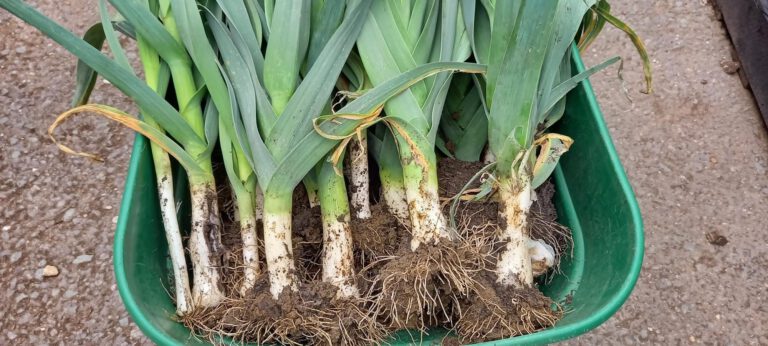
The garden included a vegetable patch, a gazebo, kitchen and meeting area, so different local groups and organisations could use the space and hire it for catered events. The partnership hosted BBQs in the summer to bring the community together, as well as an open-air cinema which frequently had hundreds of residents attending. Monitoring by the LTO reported that the community garden was used by 300 people a week on average.
Another aim of the garden for the WestRaven Big Local partnership was to provide an educational space where residents could learn where food comes from and how to prepare freshly grown produce. They worked with the neighbouring primary school and forest school groups, enabling young people to have the opportunity to experience the outdoors and learn new things outside of the classroom environment.
Responding to crisis and urgent need
Addressing food poverty by providing free and affordable food to residents
Through community consultation, food poverty was identified as an issue in the Ravensthorpe and Westwood area. The Big Local partnership recognised that some residents could not easily access healthy, free or affordable food. This need was intensified by the cost of living crisis.
The WestRaven Community Café aimed to provide healthy low-cost meals, often using produce sourced from the community garden. However, the partnership recognised that some people had more acute need and set up a community fridge and larder within the café. This provided a source of fruit, vegetables and other foods that residents could take for free. Although some partnership members were concerned about the costs of hosting a free food source, they ultimately felt it was important to provide an informal space where residents could access what they needed with no conditions or means testing. In 2021, the community fridge and larder were used by 200 people a week, on average.
When the partnership was nearing the end of their Big Local funding, they explored new ways to support residents with rising food costs, including setting up a WhatsApp group for local grocery deliveries of surplus food and providing free tea and coffee and children’s breakfasts in the café. The youth manager was also successful in gaining additional funding from Peterborough City Council to run a holiday activities and food (HAF) programme out of the café’s community room and garden. This enabled local children to access free activities and a hot meal (sourced from produce grown in the community garden) during the school holidays.
Investing in young people
Engaging young people through sport
When young people were consulted on what they would like to see in the Ravensthorpe and Westwood area, they identified improvements to an existing basketball court and opportunities to play football in their community. The WestRaven partnership felt that meeting these needs may also mitigate concerns from some residents around anti-social behaviour in the community, by providing young people with more activities to do in their spare time.
The partnership supported local parents and young people to set up a new football club, with teams for different ages. Young people shared that the teams gave them the opportunity to build skills, confidence and increase their fitness while some parents and older players were supported to access coaching training with the Football Association. This increased skills further and aided the sustainability of the club.
Alongside football, an existing basketball court was highlighted by young people as a space in the community that often went unused due its poor condition. Paid staff involved in WestRaven Big Local worked with young people to write a funding bid to secure additional funding that saw the basketball court resurfaced. After the work took place, the partnership saw the courts being used daily by families and young people, and further funding from Sport England was used to set up summer basketball sessions. The partnership was proud that not only were young people involved in organising and running these group sessions, they also took it upon themselves to tidy the courts and keep them in good condition.
Community engagement
Providing inclusive volunteering opportunities for the community
When setting up the community café and garden, the WestRaven Big Local partnership was keen to ensure these venues provided opportunities for residents to volunteer, gain training and build skills. Volunteers who got involved in these projects were able to gain qualifications in health and safety, fire safety and food hygiene.
The WestRaven partnership also wanted to ensure that their projects became a first point of call for people wanting to volunteer in the community, who may otherwise have found it challenging to find opportunities. The partnership reflected on how the café and garden were seen as supportive and welcoming spaces for those with autism or learning disabilities seeking volunteering roles, and many individuals had gone on to gain paid employment opportunities. They also worked alongside HMP Peterborough to provide openings for individuals released on a temporary licence to have a smooth transition back into the community before release.
In 2021, the LTO reported that the café supported 116 volunteers across 5,100 volunteering hours, while the garden supported 214 volunteers across 5,300 volunteering hours. A key reflection from the partnership was on the importance of paid staff to support those in volunteering roles, recognising that the café and garden could not be run on volunteers alone. Maintaining this support for volunteers became a key focus as the partnership planned for the future, towards the end of the programme.
How the Big Local area spent their funding
Each Big Local area received approximately £1.2 million (ranging from £1.199 mil to 1.209 mil) to spend over 10–15 years, depending on how much additional funding they accessed from Local Trust to address specific needs. For example, to bring people together at the start of the programme or to access training and support. This has been categorised for areas and at the programme level based on reports received from areas.
Partnerships chose their own priorities and categories for reporting, and were encouraged to use broad categories so they could use the funding flexibly. All areas spent a significant amount of money on ‘Big Local delivery costs’ such as workers’ salaries, stationery and IT equipment. You can find out more about programme level spend in this article. This is how WestRaven Big Local told Local Trust they used their Big Local funding.
References
Ministry of Housing, Communities & Local Government (MHCLG) (2019) ‘English indices of deprivation 2019’. (Accessed 10 October 2024)
Office for National Statistics (ONS) (2012) ‘UK Census 2011: All persons’. (Accessed 10 October 2024)
Office for National Statistics (ONS) (2022) ‘UK Census 2021: All persons’. (Accessed 10 October 2024)
Office for National Statistics (ONS) (2023a) ‘UK Census 2021: Social rented housing’. (Accessed 22 August 2025)
Office for National Statistics (ONS) (2023b) ‘UK Census 2021: Population aged 65 years and over: Living arrangements.’ (Accessed 22 August 2025)