What kind of activities did Big Local residents focus on?
Key points
- The most common themes prioritised and addressed by residents in Big Local were community assets and spaces, health and wellbeing, crisis and urgent need, local economy, young people, and place-based pride and connection.
- Under these overarching themes, there were specific subtopics that were important to some communities but not prevalent across the programme. These included financial insecurity, education and employment, loneliness and mental health, digital exclusion, environment, housing, violence, and racism.
- Some of these topics were more challenging for partnerships to tackle than others, such as housing and racism, and approaches to tackling these issues varied.
- Participating in Big Local had a significant positive impact on many individuals. Through volunteering in Big Local activities and being on partnerships, some residents transformed their lives, taking on new responsibilities and finding more meaning in life.
Introduction
Big Local partnerships consulted their communities, who set out their priorities. It was then up to partnership members, acting on behalf of their communities, to decide how to address those priorities, by planning and delivering projects using the Big Local funding. Six themes were often prioritised by Big Local residents:
- improving or creating community assets and spaces
- increasing health and wellbeing
- addressing crisis and urgent need
- contributing to the local economy
- investing in young people
- increasing local pride and connection.
These themes are explored in detail in resources across the Learning from Big Local website, alongside themes focused on resident leadership, community engagement, and working collaboratively with others. You can learn more about these by visiting the themes page or browsing the resources and area summaries using the filters.
Big Local partnerships addressed these as well as many more subtopics that were less prevalent across the programme, but no less important. These subtopics included:
- financial, food and energy insecurity
- education and employment
- loneliness and mental health
- digital exclusion
- environment
- housing
- violence
- racism.
This article explores each of these in turn, drawing out the diversity of partnerships’ approaches and activities to address them. This article is intended to give readers new to the Big Local programme a sense of what kind of activities were delivered once a topic was identified as a priority.
Local Trust has explored how Big Local partnerships spent the funding (by theme) across the programme in another article.
A Big Local partnership was a group made up of at least eight people that guided the overall direction of delivery in a Big Local area.
Financial, food and energy insecurity
Big Local areas were among the most deprived in England, and so it is unsurprising that partnerships often focused on addressing poverty. This generally took the form of projects providing financial management support or improving food and energy security for residents. Though, providing free or affordable activities was a large part of Big Local in many areas, enabling residents to engage with events, trips, creative activities, sports, training, and volunteering that they otherwise may not have been able to access.
Many partnerships focused on providing residents with access to free advice on managing money, debt, benefits, and savings. This often involved working with and/or allocating funds to Citizens Advice or other money advice organisations to provide services locally and sometimes involved signposting residents to other support, or designing bespoke services. These services were often provided in community spaces, though in a few instances were more mobile. Some partnerships worked with Credit Unions to provide alternative borrowing and savings options.
Partnerships took a wide range of approaches to food provision. This included providing free or low-cost food as part of community events and activities, or access to affordable meals via community cafes and clubs. Partnerships also set up and supported food banks offering free donated or surplus food, and creating food clubs, fridges, shops and larders where residents could access free or discounted food. Popular food projects sometimes acted as a gateway to other support services, which were provided in the same space. Some partnerships focused on food provision for children, particularly during school holiday periods, by delivering or providing food for children.
To a lesser extent, some partnerships also provided direct financial assistance, distributing money via grants and loans for residents experiencing crisis or financial hardship, particularly during the Covid-19 pandemic. Partnerships in some areas provided free or discounted access to personal and household items, such as toiletries, clothing and mattresses, and supported parents by making school uniforms more financially accessible.
When the cost of living crisis set in towards the end of Big Local, support with energy costs was one of the most common responses. This often involved signposting residents to free energy advice and support, helping individuals and households to reduce their energy bills. The support was provided by a range of organisations that were already providing support services more widely or were brought to the area using Big Local funds. Several partnerships set up warm hubs to reduce the need for residents to heat their homes. Others distributed free energy saving devices and energy vouchers.
Across all these approaches, partnerships generally wanted to maintain residents’ dignity, so they often designed support to be welcoming and non-judgmental. They provided support in familiar, local spaces (avoiding the need for appointments); removed eligibility criteria (like means testing); and were mindful of language (for example, providing food clubs, shops and pantries with affordable food, rather than free food banks).
Local Trust has explored how partnerships responded to the Covid-19 pandemic and the cost of living crisis, the assets and spaces needed for providing services in the community, and how Big Local activities improved the health of residents in other articles.
Education and employment
Against the backdrop of deprivation, many partnerships also focused on education and employment. This often targeted young people and residents not in education, employment, or training.
Partnerships often focussed on supporting skills building, education, and training opportunities. In some areas, Big Local funding was allocated to delivering free or subsidised accredited and non-accredited training for residents, including Heavy Goods Vehicle, youth work, first aid training, and driving lessons to access employment opportunities. In other areas funds were allocated to apprenticeships, often targeting young people, with links to local businesses, social enterprises, schools, and Big Local projects. Some partnerships set up large training programmes to help residents access employment opportunities beyond the local areas, for example a construction academy in Collyhurst, and a training kitchen in Newington.
Some partnerships focused more directly on employment. Big Local funding was used to host job fairs, set up job clubs, provide residents with one-to-one support to search and apply for jobs, and employing residents in roles such as Big Local workers or community gardeners. Some projects also aimed to address known barriers to employment, like confidence, transport, and clothing. More broadly, partnerships in many Big Local areas offered volunteering opportunities, helping residents to further their skills, experience, and confidence.
Finally, wanting to keep money in the community, grow the local economy and support residents with ideas, some partnerships committed to supporting local entrepreneurs and social enterprises. This sometimes involved providing free space and/or small grants for social enterprises to test ideas, network, access support, find their feet, and build a local presence.
Local Trust has explored how Big Local improved local economies, the development of residents’ skills, how young people were supported throughout Big Local, and how volunteering formed a fundamental part of the programme in other articles.
Many Big Local partnerships funded workers to support the delivery of Big Local. They were paid individuals, as opposed to those who volunteered their time. They were different from Big Local reps and advisors, who were appointed and paid by Local Trust.
Loneliness and mental health
With 20 per cent of adults in England living with a mental health problem (Goddard et al., 2025) and 22 per cent reporting feeling lonely at least some of the time (NHS, 2026), many Big Local partnerships focused on bringing the community together. This often involved providing regular, seasonal, and one-off activities (like events, trips, and meals) in the community. Sometimes these activities were for specific groups of people (particularly older people, who benefitted from regular clubs, meals and coffee mornings, to meet their peers and connect with the wider community). Other activities designed to address social isolation included informal drop-in spaces, befriending initiatives, knit and natter groups, and projects aiming to raise awareness about loneliness and social isolation. Alongside this, some projects focused explicitly on addressing mental health and wellbeing.
Some activities focused on building the skills and confidence of residents to manage their mental health or support others. For example, courses about managing anxiety and depression, peer support groups, and training residents to hold space for discussions about trauma and grief. Other activities included creative projects or groups, establishing local wellbeing spaces and services, and working with health agencies to deliver joint projects.
Some activities were targeted at specific groups, including a focus on reaching men through targeted signposting and peer support, and providing spaces like Men’s Sheds for men to connect with others, engage in mending or making, and talk. Similar projects were set up, inspired by Men’s Sheds, but re-named and opened to wider groups of people. Other activities focused specifically on young people, like teaching mindfulness; facilitating physical activity; mental health support workers or training for non-clinical staff; art therapy; and supporting young people to raise awareness around youth loneliness or mental health. A few partnerships also delivered wellbeing support to parents and carers or families, such as peer support or events and trips.
Local Trust has explored how arts, heritage and sports brought people together, how partnerships collaborated with health agencies to provide services to residents, and how partnerships supported and included older residents in other articles.
Digital exclusion
Digital exclusion tends to be more prevalent in deprived areas, with implications for accessing services and support, education and employment, and staying connected to people (Trussell Trust et al., 2024). During the Covid-19 pandemic, activities that addressed social isolation were needed more than ever. Where they could, partnerships set up new online groups or moved established in-person activities online, including befriending projects and activities to keep people connected and occupied. Digital exclusion was somewhat of a focus prior to the pandemic, but as the impact of lockdowns exacerbated the effects of digital exclusion, the need to address it became a priority across Big Local areas.
Projects generally focused on upgrading or creating IT infrastructure (like computers, printers, and free Wi-Fi) in community spaces and mobile hubs, and providing training and support to improve residents’ IT skills and confidence. This made it easier for residents to manage their benefits and apply for jobs, while addressing social isolation. During the Covid-19 pandemic, partnerships sometimes re-allocated funds to provide laptops or tablets and internet dongles to children (helping them continue their education) and to older residents (helping them access services that had moved online and to join online groups and activities).
Local Trust has explored how partnerships responded to the Covid-19 pandemic in another article.
Environment
Big Local communities often prioritised improved access to green spaces, with residents generally referring to wellbeing, connecting to nature, and having a space to bring people together. Many partnerships focused on creating or improving green spaces in their area, and improving the wider environment through activities like litter picking and planting – making the area look and feel nicer for residents while also offering volunteering opportunities.
Improving existing green spaces involved things like employing community gardeners, improving walking and cycling paths, refurbishing or adding benches and planters, and investing in outdoor gym equipment or play areas. Where new green spaces were needed, this involved turning disused spaces into pocket parks or urban forests, creating community gardens and communal green spaces, and leading projects or supporting resident groups to set up allotments and growing spaces. These spaces provided places to meet, connect to nature, and improve health and wellbeing, and in some instances, learn new skills.
Partnerships also helped protect local green spaces by contributing to neighbourhood plans, hosting activities, leasing or buying land, helping set up community groups or legal organisations, and influencing councils to care for local green spaces.
While residents rarely mentioned climate change, partnerships often delivered projects with outcomes that could contribute to reducing emissions, like those focused on reducing food waste or energy saving to better meet residents’ basic needs. Arguably, much of the work of Big Local also created resilience for responding and adapting to future environmental disasters.
Local Trust has explored the wider potentials impacts of Big Local as part of an evidence-led Theory of Change in another article.
Where climate change was noted, this tended to be linked to young people – supporting youth-led environmental projects (like gardening and recycling), or sharing projects aimed at engaging young people. In Lawrence Weston, Big Local funding was invested in renewable energy to strengthen residents’ financial security, as well as produce sustainable energy. Finally, while not necessarily associated with climate change, several partnerships responded to local flooding throughout the programme.
Housing
Housing was sometimes raised by residents as a key issue in their area, though this was a particularly challenging issue to tackle with £1m and a group of volunteers. A small number of partnerships attempted to tackle a lack of social, affordable, and/or secure housing in their area. Their main approaches involved buying and renovating housing stock, funding improvements, or using collective resident voice to influence regeneration plans or advocate for improvements to local powerholders.
Buying and renovating was challenging to deliver, particularly with rising material and housing costs, the rising cost of living, and working with multiple stakeholders in a space requiring significant expert knowledge to navigate. For those that were able to progress, a few houses were sometimes used to provide targeted support for residents vulnerable to homelessness or living with addiction. Other times, while partnerships wanted local people to live in them, there was a lack of interest, and they were sold to people outside the area. In these cases, protections were put in place to ensure they were not sold on for profit and funds raised generally went back into the ‘Big Local pot.’ Alongside purchasing properties, one partnership — North Ormesby — also gave external makeovers to 160 houses, improving housing in the area more widely.
Other partnerships focused more on community organising. The Lawrence Weston partnership created a neighbourhood plan focused on affordable rent and shared ownership of well insulated homes (which their legacy organisation then contributed to delivering on). PEACH successfully leveraged collective voice to influence local powerholders, ultimately leading to major improvements to local housing. Other services, like food provision and financial or energy advice, contributed to supporting residents in ways that were easier for partnerships to deliver, freeing up money and time for residents to focus on other aspects of maintaining their homes.
Violence
Poverty is associated, at least to some extent, with a higher risk of violence (Clemmow et al., 2025). Some partnerships chose to focus on domestic or youth violence in their work. For those with a focus on youth violence, this tended to relate to knife crime.
Approaches mainly involved supporting activities for young people, sometimes targeted at those at risk of involvement in violence or wider anti-social behaviour. This included creating (or preventing the closure of) affordable youth clubs and after school activities, allocating funding to youth workers or organisations for holiday activities, or getting young people involved in designing and delivering activities.
Other approaches included creating physical safe spaces for young people, such as new play parks, or more explicit spaces like Safe Youth Zones in local shops and community hubs. These spaces were created in response to local knife crime incidents and were designated spaces that young people could go if they felt at risk of violence. Knife bins, along with first aid and bleed kit training, also sought to directly tackle knife crime among young people.
Social spaces were also created, providing opportunities for young people to come together and talk about issues important to them, sometimes finding creative ways to express their emotions and communicate with the wider community. Raising awareness among young people with specialist partners in schools was another way to surface and tackle the drivers of youth violence, with some areas also talking about gang awareness, grooming, and child abuse.
Much of this work was done in collaboration with partners, like specialist charities and youth organisations, local councils, and police. This sometimes included involving young people in decision-making, including their views in the development of projects and resources, or supporting young leaders to engage other young people in discussion and influencing.
Partnerships in a small number of areas focused on domestic violence towards women, either due to local incidents or as part of a general priority on local crime and safety. Approaches included raising awareness, providing preventative (like coffee mornings for those at risk) or responsive (like crisis hotlines, grants, and emergency bags) services, providing space to deliver support, or offering skills-development for local women (like self-defence classes). These initiatives generally involved working with or allocating funds to specialist charities, enabling them to expand their offer and bring services to the area.
Racism
Throughout the Big Local programme, public discourse around ethnicity and racism gained significant traction, with political shifts reflecting a growth in right-wing extremism. While most partnerships did not explicitly discuss or tackle the issue of racism, they thought about inclusion more broadly. For example, celebrating cultural diversity through events and working to include historically excluded groups in their activities or specific services (like health services).
A small number of partnerships chose to explicitly focus on racism. This included working to develop their own understanding of racism and discrimination or supporting projects where residents could explore their own experiences of racism. SW11 and W12 Big Local partnerships delivered these projects with a particular focus on engaging and supporting young people.
Local Trust has explored how inclusive Big Local was, and what partnerships and Local Trust did to improve inclusion over time in another article.
One project, funded by Local Trust and delivered towards the end of Big Local, focused on supporting residents in two Big Local areas to tackle racism. They worked on developing practices to make space to critically reflect, improve understanding of diversity and representation, shift mindsets, and design projects to tackle the causes and less overt expressions of racism in their areas.
This action research found that sufficient time and resources need to be invested in understanding how racism operates at a local level and the role that community-led initiatives can reasonably play in tackling complex, systemic local inequalities. In particular, care needs to be taken to avoid positioning global majority populations as ‘the problem’ while conducting well-meaning community engagement. This work can be challenging – community leaders find it hard to discuss issues of ethnicity and racism. However, community leaders engaging with these topics – especially white leaders – model valuable critical discussion of and engagement with these topics for other residents.
Local Trust’s partner, brap, has explored how partnerships in these two Big Local areas tackled systemic racism in a report.
Reflections and learning
Big Local partnerships prioritised and tackled a broad range of topics across the programme and did so using a variety of approaches and activities. Some of these topics were more challenging than others to address across entire communities, and some approaches and activities were more common – and effective – than others. Regardless, through the process of responding to these issues, many partnerships were successfully, and slowly, transforming the lives of individuals.
While research shows a small but statistically significant positive impact for individuals most involved in the delivery of Big Local, this doesn’t show the sometimes life changing impact for individual residents both in and outside of partnerships.
When residents started volunteering, some described that they were low in confidence and self-esteem, and feeling socially isolated, but once they started helping out with projects, this changed. Residents would slowly grow in confidence and become increasingly more involved. Some would slowly take on additional responsibilities, access training and development, and build relationships. Some residents would also join partnerships and participate in decision making. Perhaps most significantly, while volunteering, some residents changed how they saw themselves and their own potential.
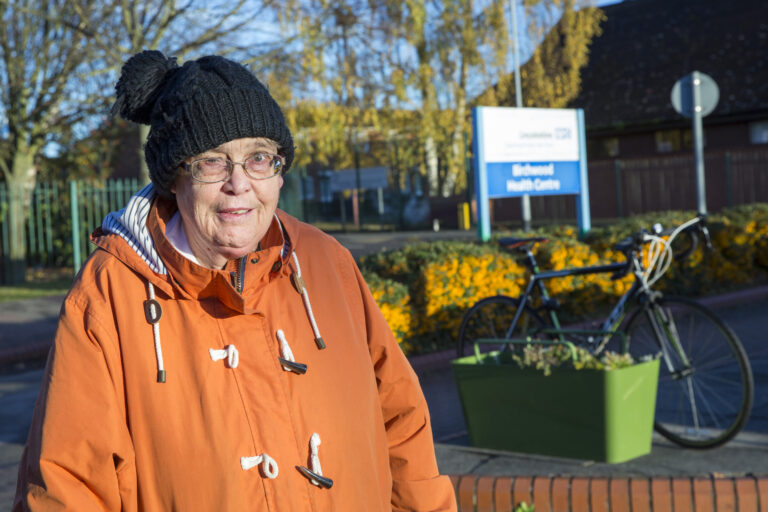
Through their involvement (and with the support of partnership members, Big Local workers and other residents), some residents went on to lead projects and manage teams of volunteers. For example, Yvonne, who led Birchwood Big Local’s work on a local park, or Vicky, who completed training to start a new career and secure a job. For both these residents, volunteering with Big Local had a huge – and unexpected – impact on their lives. They described how Big Local gave their life purpose and changed it for the better.
Local Trust has shared Yvonne’s and Vicky’s Big Local journeys in their stories.
References
Clemmow, C., Rottweiler, B., Unal, C., Doherty, P., Seaward, A., Marchment, Z., and Gill, P. (2025) ‘Evidence Review on Poverty and Youth Crime and Violence’ (Youth Endowment Fund and University College London). Available at youthendowmentfund.org.uk/wp-content/uploads/2025/08/YEF-Poverty-Evidence-Review-Technical-Report-August-2025.pdf (Accessed 3 June 2026)
Goddard, K., Ali, A., Butler, H., Cerroni, L., Cox, S., Ellis, H., Fernandes, A., Jones, S., Patel, M., Abdinasir, K., and Bell, A. (2025) ‘The Big Mental Health Report’ (Mind and Centre for Mental Health). Available at mind.org.uk/media/zianu2rn/mind_the-big-mental-health-report_digital4.pdf . (Accessed 3 June 2026)
National Health Service (NHS) (2026) ‘Health Survey for England, 2024’. Available at: digital.nhs.uk/data-and-information/publications/statistical/health-survey-for-england/2024/loneliness-and-wellbeing. (Accessed 3 June 2026)
Trussell Trust, Good Things Foundation, and WPI Economics (2024) ‘Exploring the relationship between deep poverty and digital exclusion’. Available at: goodthingsfoundation.org/policy-and-research/research-and-evidence/research-2024/deep-poverty-and-digital-exclusion.html (Accessed 3 June 2026)